Gastronomy does not always begin in the kitchen.
Sometimes, it begins with a walk.
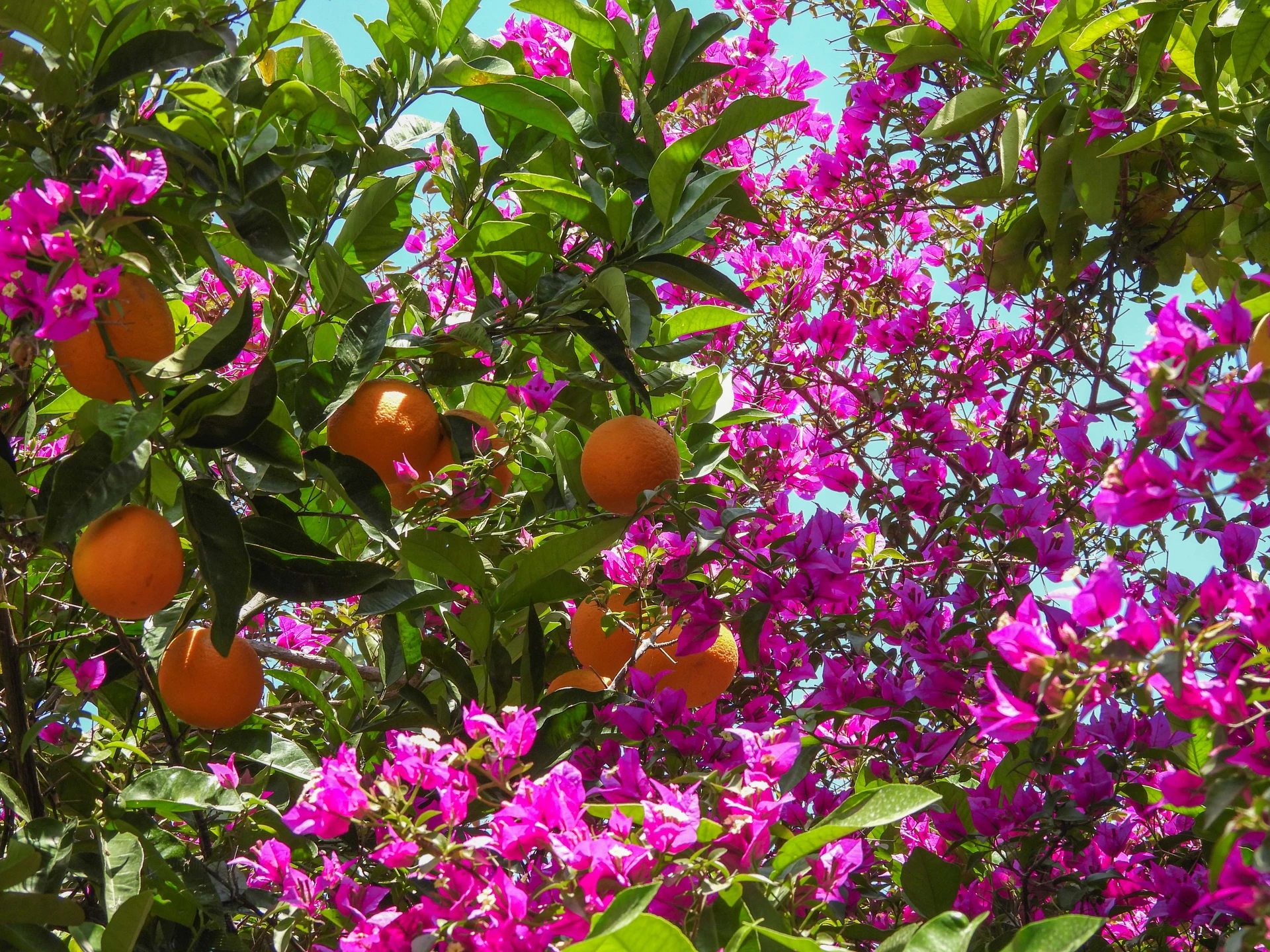
Among trees, herbs, aromas, fruits and the sounds of nature. In a landscape where visitors do not simply see plants, but begin to understand where flavour truly comes from.
At the Botanical Garden of Crete, the experience of Cretan gastronomy is not limited to the plate. It begins in the land. In the Garden, in the plants, in seasonality, and in the awareness that every flavour carries a place, a time and a journey behind it.
Here, the walk becomes the first part of a gastronomic experience. Visitors move through Mediterranean and exotic plant species, herbs and trees, aromas that recall Crete, and images that reveal the close relationship between nature and food.
Before a herb becomes tea, it has been a leaf, an aroma, a season.
Before a fruit becomes flavour, it has ripened in the light.
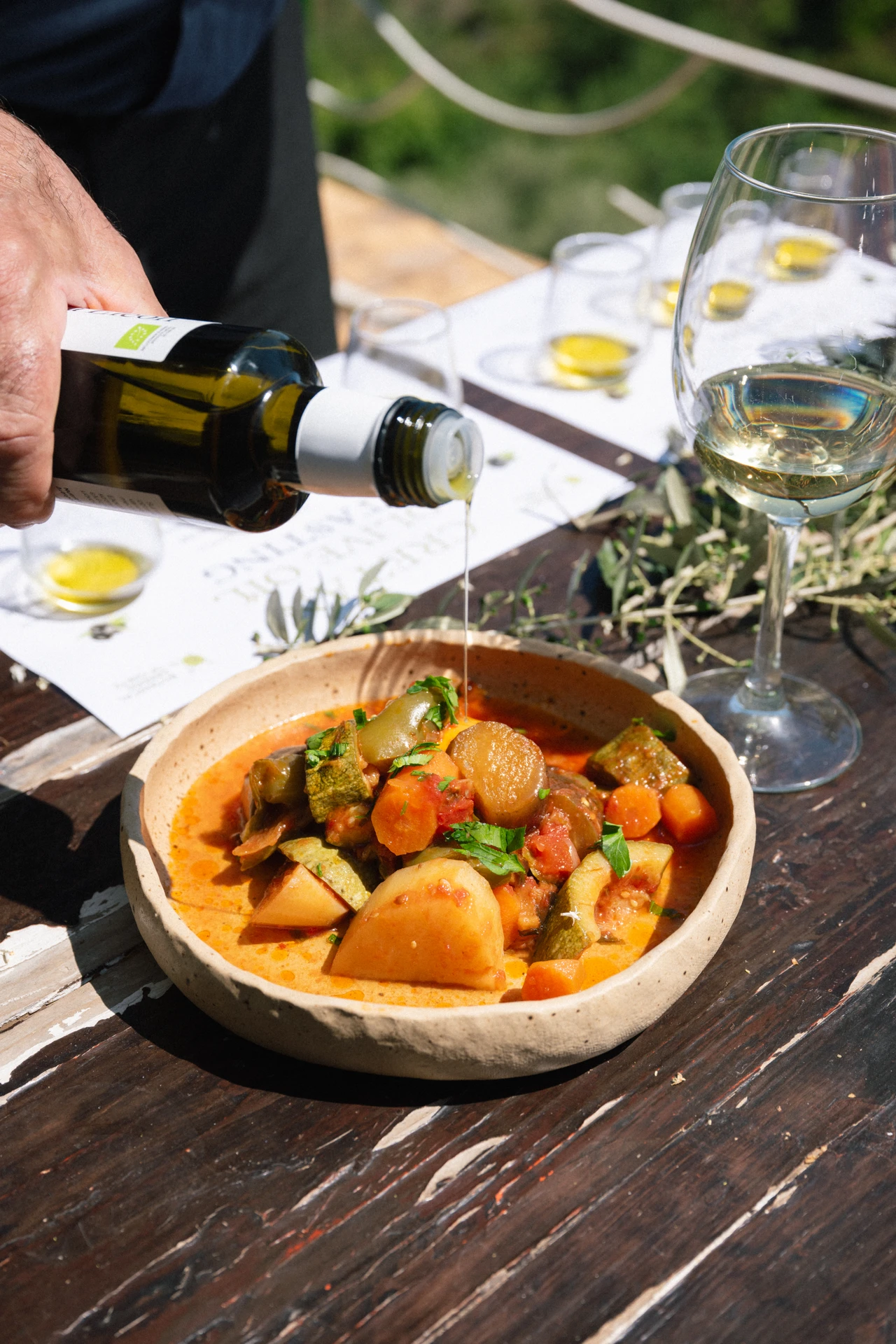
Before a dish reaches the table, it has begun in the land.
This is the essence of the experience at the Botanical Garden of Crete: gastronomy is presented as something alive. Not as an isolated moment of consumption, but as a continuation of nature, cultivation, seasonality and human care.
At the Tea Bar, organic herbs and infusions from Crete and the Mediterranean express this relationship in a quiet, almost ritual way. A cup of tea can become a memory of place. It can carry the aroma of a herb, the wisdom of a season and the simplicity of a tradition that does not need to speak loudly in order to be felt.
Flavour here is not excess.
It is clarity.
It is connection.
It is a way of understanding a place through the senses.
The experience continues at the Garden’s restaurant, where nature meets the table. Cretan gastronomy is presented through flavours that are in dialogue with the land, the seasons and local products. Olive oil, herbs, honey, fruits, vegetables and simple ingredients gain deeper meaning within an environment that constantly reminds visitors of their origin.
This is what makes the Botanical Garden of Crete so distinctive: it does not separate flavour from nature. It does not present food as something detached from the landscape. Instead, it shows visitors that Cretan cuisine is deeply connected with the environment that gave birth to it.
In Crete, food has always been more than necessity. It has been hospitality, sharing, care and memory. It has been a way of honouring the land, the season and the person sitting across the table.
The Botanical Garden of Crete keeps this philosophy alive through an experience that speaks to all the senses. Visitors walk, observe, smell, taste and learn. They do not come simply to see a Garden. They come to understand a relationship: the relationship between nature, flavour and culture.
Organised experiences, such as guided tours and cooking classes, strengthen this connection even further. Through participation, knowledge becomes more direct. Visitors are not only observers. They come closer to the ingredients, the aromas, the gestures, the stories and the logic of the Cretan Diet.
Because Cretan gastronomy cannot be fully explained only with words.
It needs to be seen.
Smelled.
Tasted.
Touched through the place that gives it life.
At the Botanical Garden of Crete, the journey from the Garden to the table is not simply a beautiful route. It is a way of understanding that flavour has roots. That every product carries within it climate, soil, season, human care and cultural memory.
In this sense, the Botanical Garden becomes more than a place to visit. It becomes a living place of understanding Crete. A place where biodiversity, hospitality, gastronomy and cultural identity come together in one experience.
Because Crete is not only a place you taste.
It is a place you experience.
And at the Botanical Garden of Crete, this experience begins in nature, passes through the senses and reaches the table as something deeper than flavour.
t arrives as memory.
As relationship.
As a way of understanding the land of Crete.