Some flavours do not begin on the plate.
They begin with an aroma.
With a leaf rubbed gently between the fingers. With a herb growing under the sun. With an infusion warming the hands and awakening the memory of a place. In Crete, herbs are not simply plants. They are part of everyday life, gastronomy, hospitality and the deep relationship between people and the land.
Cretan nature has always been generous in aromas. Thyme, sage, dittany, mountain tea, oregano, marjoram and many other herbs have been connected with the landscape, the table, the home and tradition. They are not only ingredients. They are carriers of memory.
A herb can recall a walk in the mountains.
A summer afternoon.
An old house.
A table with people gathered around it.
A simple gesture of hospitality.
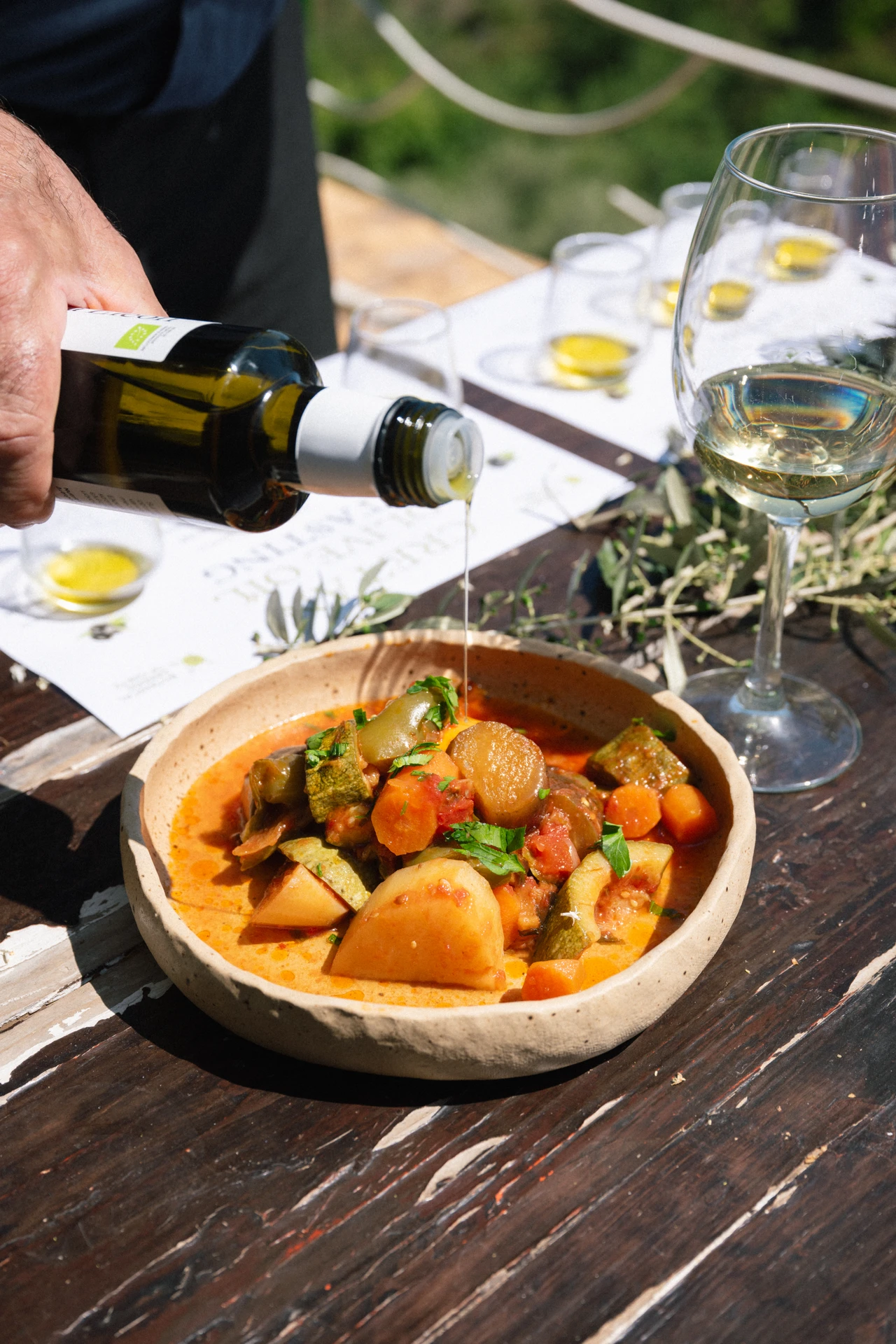
In Cretan gastronomy, herbs have a discreet but essential role. They do not exist to cover flavour. They exist to reveal it. To give aroma, depth, clarity and a connection with place. Oregano in food, thyme in honey, sage in an infusion, aromatic plants in daily life — all take part in a gastronomic language that is simple, yet full of meaning.
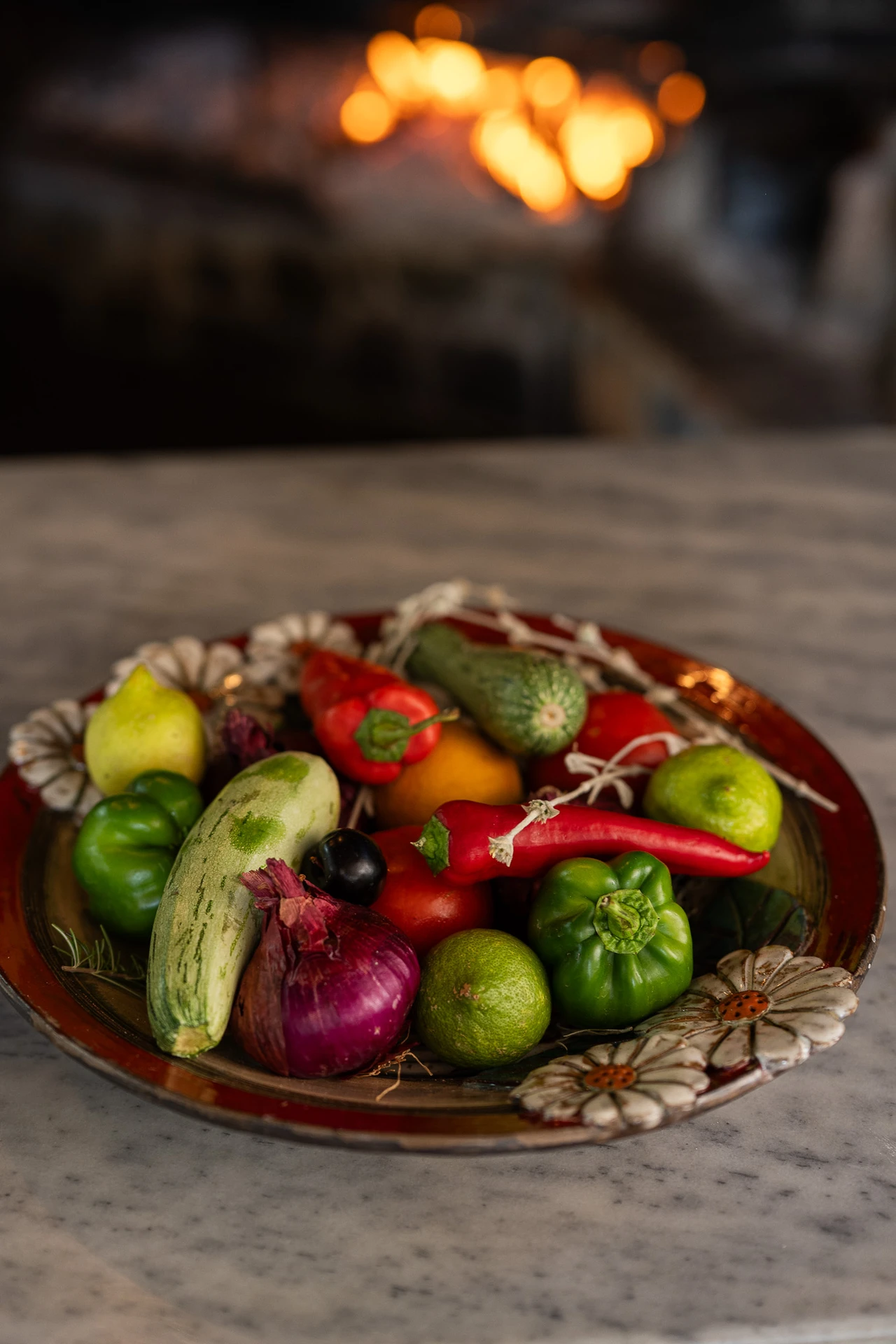
This is also the strength of Cretan cuisine. It is not built on excess. It is built on the quality of the ingredient, the right moment, the knowledge of the season and respect for flavour. Through their presence, herbs remind us that gastronomy is not only technique. It is a relationship with the natural environment.
At the Botanical Garden of Crete, this relationship becomes an experience.
Visitors do not encounter herbs as simple names on a list. They meet them within the landscape. They see them, smell them and connect them with the land they come from. They understand that behind every aroma there is a plant, behind every plant there is a season, and behind every season there is an entire way of life.
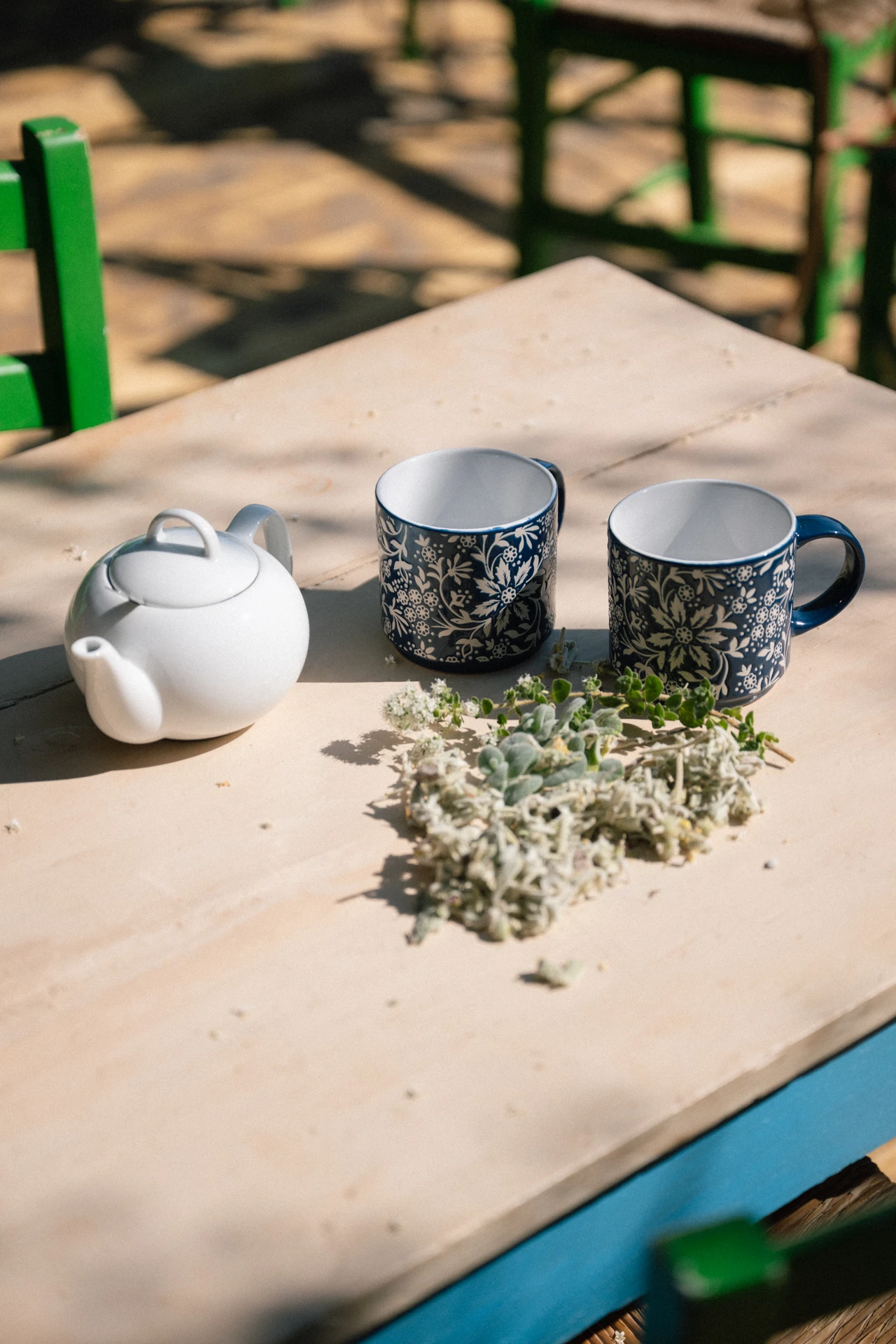
At the Tea Bar of the Botanical Garden, organic herbs and infusions from Crete and the Mediterranean transform this relationship into a calm, sensory experience. A cup of tea is not simply a drink. It is a way to pause for a moment, to observe, to feel the aroma and to connect with the land through something simple and essential.
Because herbs have this rare quality: they carry a place without needing to explain it.
Their aroma speaks of the light of Crete, of the mountains, of the air, of dryness and resilience, of the wisdom of the seasons. They speak of a culture that learned to use nature with measure, respect and observation.
Herbs stand between land and flavour. Between tradition and everyday life. Between memory and the visitor’s experience. They may be small in size, but they are great in meaning, because they hold within them the identity of a place.
In Crete, a herb is not only an aroma.
It is knowledge.
It is season.
It is hospitality.
It is culture.
This is why their presence at the Botanical Garden of Crete is not decorative. It is essential. It connects the walk with flavour, nature with the table, the landscape with the experience. It shows that Cretan gastronomy was not created separately from its environment, but in constant dialogue with it.
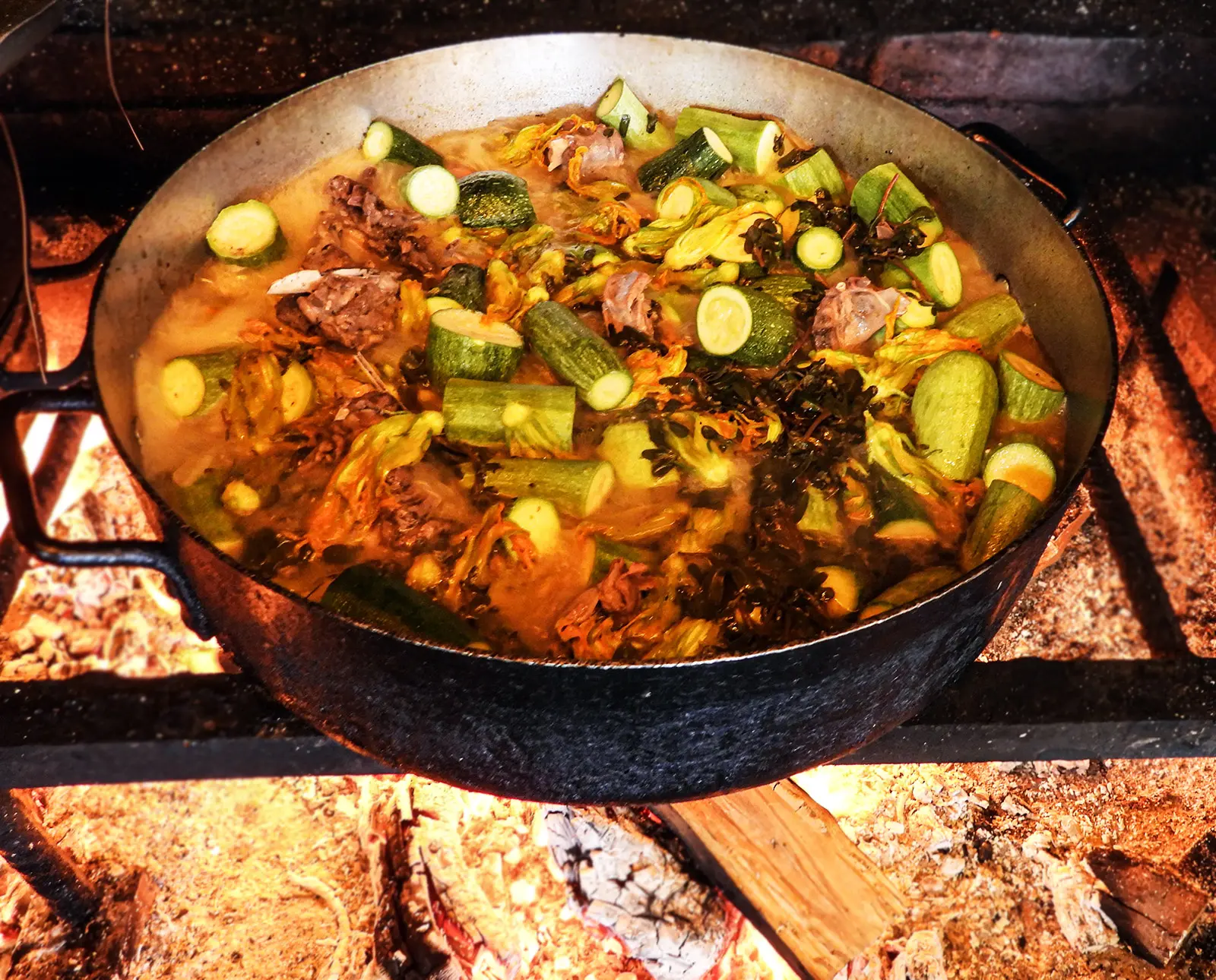
The gastronomy of Crete has roots in the land. And herbs are among the clearest expressions of that root. They remind us that flavour can be simple and profound at the same time. That an aroma can tell what many words cannot. That the culture of a place is often hidden in the smallest details.
At the Botanical Garden of Crete, herbs are not simply part of nature. They are part of the story. A story about Crete, its land, its hospitality and its gastronomy as a living experience.
Because sometimes, to understand a place, you do not need to explain it.
You only need to smell it.
And in Crete, herbs carry exactly this memory.